













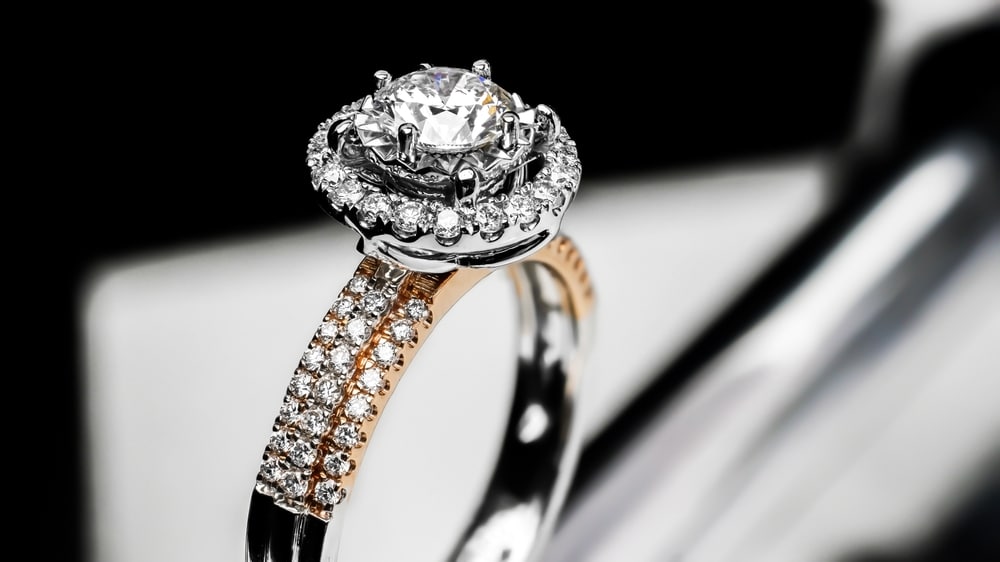
For many, the allure of diamond and gold jewelry draws them to Dubai—often touted as a paradise for jewelry enthusiasts. With its sparkling boutiques and competitive pricing, this city stands out as a global hub for the diamond trade. Here, you’ll find a cornucopia of dazzling diamond options, each promising exceptional quality at various price points. But before you get lost in the glitz and glamour, it’s essential to navigate this world with caution. While there are fantastic deals to be found, not everything that glitters is genuine; fake diamonds can make their way into unsuspecting hands.
So, how can you ensure that the diamonds you’re eyeing are the real deal?
Look for GIA-certified diamonds:
The Gemological Institute of America (GIA) stands as the definitive authority in the diamond world. If you come across a GIA-certified diamond, you can rest easy knowing it meets strict quality standards and is indeed authentic. Other respectable organizations, like the American Gem Society (AGS) and the European Gemological Laboratory (EGL), also offer certifications worth checking out. Many real diamonds bear a laser inscription on their girdle (the narrow part), which is often invisible to the naked eye but can be easily spotted with a loupe or microscope. This inscription usually includes a certificate number. If you’re looking for expert advice, brands like Fergus James can provide trustworthy insights.
Check for a watermark:
Spotting a watermark can signal legitimacy in the diamond world. While not all diamonds will showcase this feature, it’s worth checking. When illuminated, look for an engraved image of an axe, scepter, or another insignia. If you see such a watermark, it’s likely that the diamond is genuine.
Check for fluorescence:
Many real diamonds exhibit a captivating play of light when exposed to ultraviolet (UV) light, a phenomenon known as fluorescence. While some might dub fluorescence a defect, it can instead serve as a hallmark of authenticity. Notable diamonds, like the Hope Diamond, are famous for their striking fluorescence.
Ask for a diamond grading report:
When contemplating a purchase, always request a grading report from an established laboratory like the GIA or AGS. This report details essential information about the diamond, including carat weight, cut, color, and clarity. A reputable dealer should be more than willing to provide this crucial documentation.
Be wary of deals that seem too good to be true:
If a deal feels overly enticing, approach with caution. This is especially true for loose diamonds, which are often easier to counterfeit. Make it a priority to only purchase from dealers you trust and who have a solid reputation in the industry.
Check the clarity of the diamond:
Authentic diamonds typically boast remarkable clarity. If a diamond appears cloudy or riddled with inclusions, it’s likely a fake. Don’t hesitate to ask to see the diamond under a microscope; this will allow you to examine any imperfections closely.
Know the difference between different types of diamonds:
Understanding the nuances between types of diamonds is critical. Lab-grown diamonds are scientifically created and are real diamonds, albeit with a different origin. On the other hand, synthetic diamonds are imitations, while stones like cubic zirconia or moissanite aren’t diamonds at all. These types vary significantly in pricing and value, so it’s essential to educate yourself before making a commitment.
Do some research:
Before you dive into the world of diamond shopping, arm yourself with knowledge. Researching various types of diamonds and the elements that influence their value can guide you in finding a reputable dealer. Stores that proudly display GIA or AGS-certified diamonds are usually a safe bet.
If uncertainty ever creeps in regarding a diamond’s authenticity, seeking the advice of an expert is always wise. A skilled jeweler or gemologist can provide valuable insights, ensuring you’re making a well-informed decision.
Conclusion:
Determining the authenticity of a diamond can be approached from several angles. From checking for GIA certifications to scrutinizing fluorescence and asking for grading reports, these steps can help you feel reassured in your purchase. Remember to be cautious of deals that seem too good to be true and always be informed. Ultimately, if doubt still lingers, seeking expert opinion will help you secure a diamond that you can cherish with confidence.
Image Source: bonni adrian alfa / Shutterstock