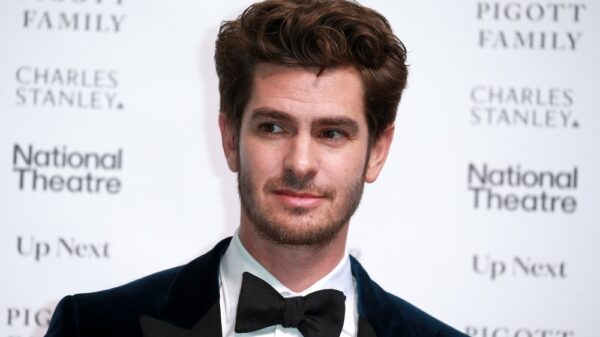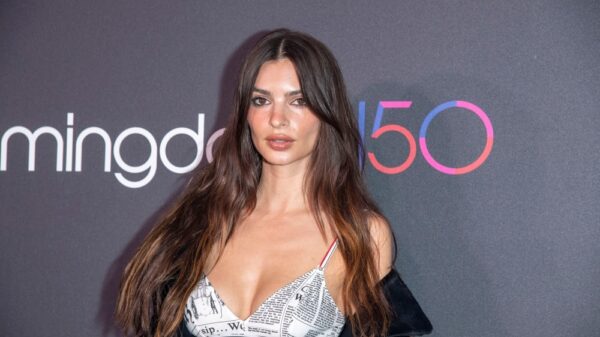












Nicolas Ghesquière recently made a high-profile return to New York City to debut the Louis Vuitton Cruise 2027 collection, marking his 46th presentation for the prestigious French luxury house. Several years after his last cruise show in the city, Ghesquière chose the historic Frick Collection in Uptown Manhattan as the setting for this milestone event. The front row was a testament to the brand’s cultural reach, featuring A-list muses including Zendaya, Jennifer Connelly, and Chloë Sevigny.
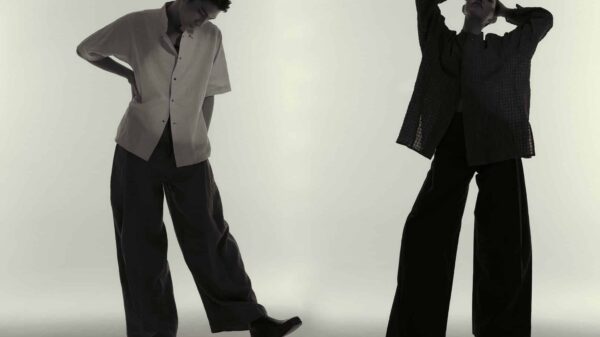
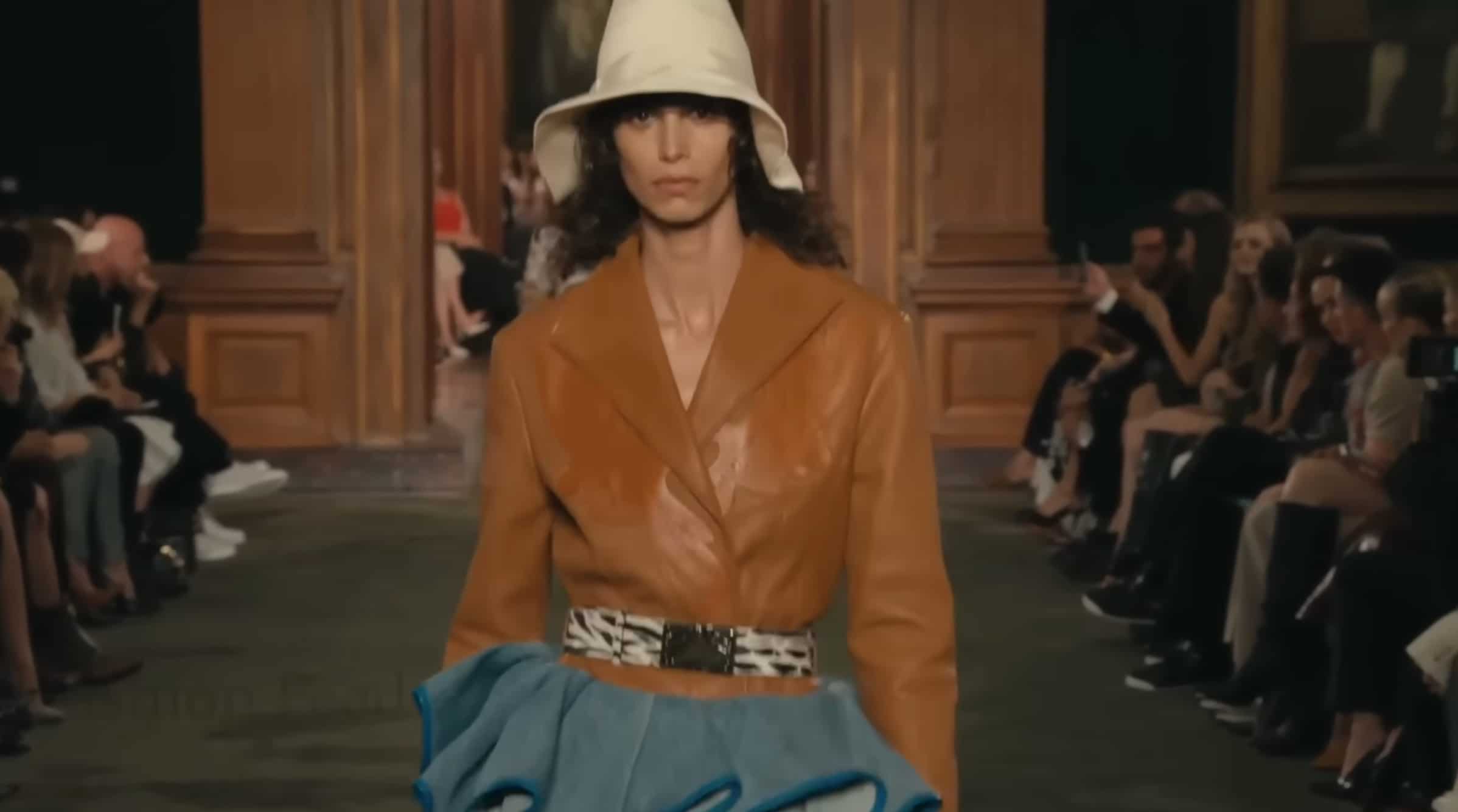
The collection itself was a complex dialogue between the past and the present, blending elements of New York’s Gilded Age with contemporary pop culture. Models walked the runway in garments that showcased Ghesquière’s signature love for structural experimentation, vibrant color palettes, and contrasting textures. A major highlight of the season was the inclusion of artwork by Keith Haring, whose legendary motifs were integrated into both the ready-to-wear silhouettes and the seasonal accessories, bridging the gap between high fashion and street art heritage.
Analyzing the Aesthetic Direction of Louis Vuitton Cruise 2027
The runway served as a playground for Ghesquière’s futuristic vision, yet the reception of the collection has proven to be deeply polarizing within the fashion community. While the designer leaned into his penchant for avant-garde shapes and unconventional styling, the execution left some observers questioning the direction of the house. The fusion of Gilded Age opulence with modern textures created a visual tension that felt innovative to some, but to others, it appeared disconnected from the current luxury landscape.
Critical Perspectives from Fashion Enthusiasts and Critics
Following the presentation, fashion commentators and forum members expressed a wide range of opinions regarding the collection’s impact. For many, the show felt disjointed, with some critics suggesting that the creative vision lacked a cohesive narrative. Terms like “irrelevant” and “out of touch” were used by those who felt the designs did not resonate with the contemporary moment, while others compared the eclectic styling to a mix of high-budget costume design and streetwear that missed the mark.
Conversely, some long-time followers of Ghesquière found merit in the collection’s technical competence. These observers noted that the pieces were consistent with his established “bubble” of design, reminiscent of his earlier work where he frequently challenged traditional fashion norms. However, even among those who appreciated the individual garments, there was a consensus that the specific styling and casting choices occasionally detracted from the craftsmanship of the clothes. The contrast between the sophisticated setting of the Frick Collection and the “Zoolander-esque” runway energy created a friction that remains a major point of discussion in the industry.
In summary, the Louis Vuitton Cruise 2027 collection stands as one of Nicolas Ghesquière’s most debated shows in recent memory. By juxtaposing the historical weight of New York’s Gilded Age with the vibrant, pop-art energy of Keith Haring, the collection successfully sparked a conversation about the boundaries of luxury fashion. Whether viewed as a daring evolution or a disjointed experiment, the show confirmed that Louis Vuitton continues to prioritize provocative, boundary-pushing design under Ghesquière’s long-standing creative leadership.