









As the luxury retail environment in China faces a period of cooling demand and tighter consumer budgets, high-end fashion houses are experimenting with increasingly localized activations to spark engagement. However, a recent campaign by Givenchy in Shanghai—centering on a takeover of traditional breakfast eateries—has ignited a complex debate regarding the intersection of haute couture and street-level culture.
Givenchy’s High-Fashion Take on Shanghai’s Culinary Staples
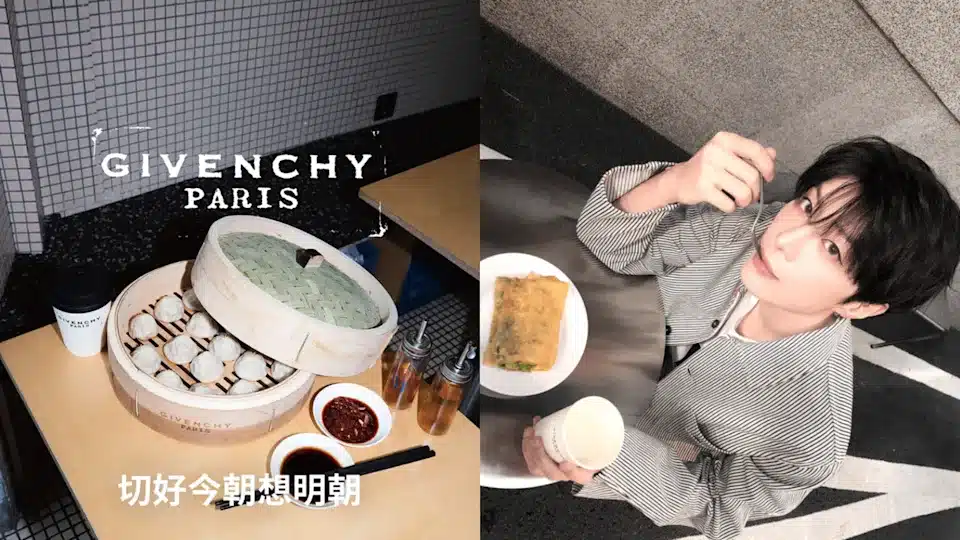
Over a recent weekend, Givenchy transformed three local breakfast spots and a prominent nightclub into branded hubs. The activation allowed residents to purchase the “Four Heavenly Delicacies” of a traditional Shanghainese breakfast—fried dough sticks, sticky rice wraps, soy milk, and crispy pancakes—alongside xiaolongbao dumplings and Americano coffees. The items were priced accessibly, ranging from 3 to 38 renminbi, a move that initially earned praise for making the brand feel approachable.
Social media platforms like Xiaohongshu saw a surge of posts from users celebrating the contrast between Givenchy’s minimalist black-and-white aesthetic and the gritty, everyday charm of Shanghai’s streets. For many, it represented a rare opportunity to engage with a premier luxury label at a price point that fits daily life. Influencers highlighted the “authentic energy” of the event, positioning the casual brunch as a refreshing departure from typical high-fashion exclusivity.
The Creative Vision Behind “Breakfast at Givenchy”
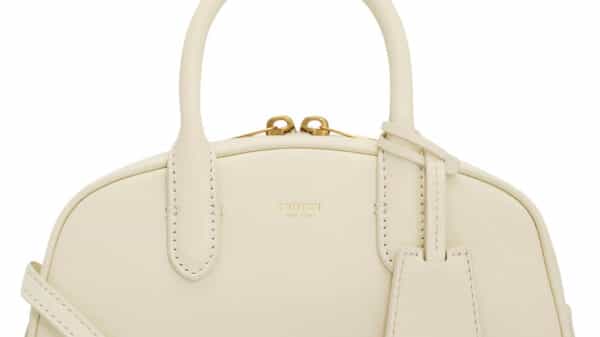
The campaign, titled “Breakfast at Givenchy” on the brand’s official WeChat channel, was designed as a sophisticated homage to the house’s cinematic heritage. It referenced the iconic black gown designed by Hubert de Givenchy for Audrey Hepburn in the 1961 film Breakfast at Tiffany’s. To modernize the concept, the brand featured ambassador Fan Chengcheng in a themed editorial and invited roughly 20 local influencers to showcase the new Voyou Bucket handbag at the pop-up locations.
Despite the high-concept inspiration, the connection to the film was not immediately apparent to many local consumers. Without a clear narrative bridge, the activation was perceived by some as a superficial branding exercise rather than a thoughtful cultural exchange.
Critiques of Brand Dilution and “Lifestyle” Marketing
As wait times for the branded snacks exceeded an hour in Shanghai’s humid weather, the initial online enthusiasm shifted toward criticism. Prominent local voices and creative directors argued that the campaign failed to establish a meaningful link between Givenchy’s DNA and the local culture. Some critics labeled the event a “watered-down” version of luxury, suggesting that slapping a logo on traditional street food does not equate to genuine cultural relevance.
In certain circles, the marketing approach was described using the local slang “PUA”—a term that has evolved in China to describe manipulative or superficial psychological tactics. The concern voiced by critics was that the brand was prioritizing social media “clout” and user-generated content over product innovation or substantive customer service.
The Strategic Dilemma: Accessibility vs. Exclusivity
Givenchy is not the first luxury house to venture into unconventional retail spaces in China. Prada previously adorned a wet market with its signature prints, Fendi collaborated with the bubble tea brand Heytea, and Loewe partnered with a bike-sharing service. However, experts suggest these activations highlight a growing tension within the luxury sector: the need to attract new, middle-class shoppers without alienating the elite clientele who value exclusivity.
Media studies experts point out that while these pop-ups generate significant digital noise, they risk diluting brand equity if they aren’t backed by forward-thinking design. For a legacy house, the challenge is to maintain a reputation for creativity while navigating a market where even the wealthiest consumers are becoming more selective with their spending.
Givenchy’s Shifting Presence in the Chinese Market
The breakfast activation occurs against a backdrop of retail consolidation for Givenchy in China. The brand has recently closed several brick-and-mortar locations, including boutiques at prestigious addresses such as Shanghai’s Plaza 66 and Reel Department Store, as well as sites in Changsha and Tianjin. This retreat also impacts its diffusion line, G Givenchy, which once held a strong foothold in various second- and third-tier cities.
Summary of Key Takeaways
Givenchy’s Shanghai breakfast takeover serves as a case study for the risks and rewards of localized luxury marketing in a shifting economy. While the campaign successfully generated social media visibility and attracted a younger demographic through accessible pricing, it also faced pushback for a perceived lack of depth and brand alignment. As luxury brands continue to navigate China’s “new normal,” the balance between being “down-to-earth” and maintaining high-fashion prestige remains a delicate act. Ultimately, the success of such initiatives depends on whether they can provide genuine value and creative substance beyond the temporary allure of a viral photo opportunity.