







MILAN — Describing the current atmosphere as challenging feels like an understatement. Navigating a reality marked by sudden shifts, a persistent sense of unease, and the anxiety that accompanies it, can be daunting. When we find ourselves in a state of ongoing discomfort, revisiting the past offers a comforting suggestion. Timeless pieces that have stood the test of time can provide reassurance. This stands as a testament to the value of a collective history: the classics, in essence.
This past Milan fashion weekend, which concluded on Monday, revolved around a celebration of classic styles. This was not simply a nostalgic retreat or a reiteration of outdated trends; it served as a method to envision the present differently, allowing us to use what we recognize as a source of comfort.
A notable theme was the idea of clothing as a bridge, connecting various eras, generations, and cultures. This concept was beautifully illustrated in the intimate yet impactful presentation from Mordecai, hosted in a karate gym. Founder and creative director Ludovico Bruno drew inspiration from a lengthy journey through Mongolia, translating it not into predictable styles—but rather into a philosophy focused on nurturing relationships, as seen in the way young Mongolians care for their elders. As Bruno’s models moved along carpets, they shed layers for subsequent models, echoing interconnectedness and the belief that “everything complements everything else.”
At Zegna, Alessandro Sartori utilized the family closet as both a metaphor for generational continuity—represented by inherited pieces—and literally as a space brimming with valuable garments essential to the dressing experience. To reinforce this idea, the show featured a massive armoire, its doors ajar to reveal a variety of artifacts from the Zegna archives, including Abito N.1, a tailored suit from the 1930s, which belonged to Count Ermenegildo Zegna, the brand’s founder. Models emerged in silk robes, entered the closet to dress, followed by an impressive array of suits, roomy coats, snug blousons, shirt jackets, and double-breasted blazers. This approach was both tangible and profoundly impactful.
Nearly a decade has passed since Alessandro Sartori initiated his understated transformation at Zegna. Initially, he veered away from rigid formal styles to present tailored interpretations of workwear—spurring a proliferation of chore jackets and overshirts, influencing even high street brands like Uniqlo. Gradually, he returned to the brand’s foundations with a fresh perspective. This latest collection marked a pinnacle, showcasing a blend of soft tailoring and an effortless cross-generational elegance.
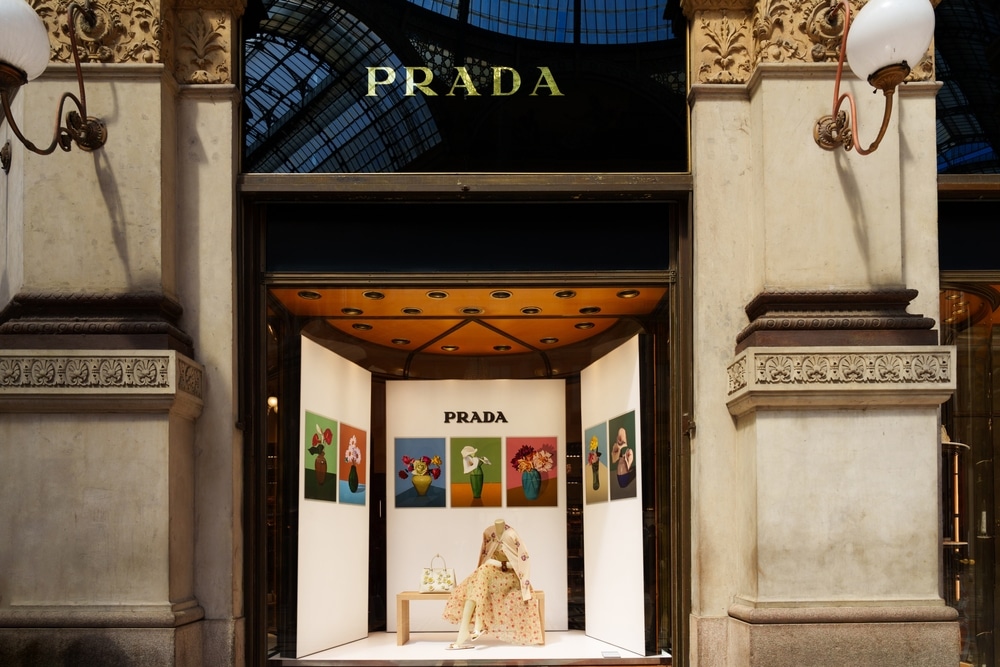
Over at Prada, the classics faced scrutiny as they were intensively shaped, adorned, and ultimately redefined within a strikingly narrow silhouette. This bold shift marks a departure from the large volumes and broad shoulders prevalent in fashion today, while also signaling a return to familiar territory for both Raf Simons and Miuccia Prada. Simons’s longstanding fascination with slender forms and the youthful physique was evident; meanwhile, Prada’s signature interest in textures, imperfections, and the language of class found a fresh resonance in this collection. The blend of Raf’s aesthetic with Prada’s distinctive intellectual approach resulted in a collection that, while engaging, raised questions about its place in luxury fashion—a conundrum acknowledged by Mrs. Prada herself.
Set against the backdrop of a staged demolition of an opulent mansion, complete with fireplaces and intricate stuccos, the show reflected on the current moment. “Uncomfortable” encapsulated the psychology of our times, explained Mrs. Prada. “We subsequently need clarity and precision in clothing. While we look back, we also seek the new—a respectful understanding of what preceded us, transforming beauty into something renewed.”
Clothes with imperfect surfaces and unfinished hems appeared as if they had been unearthed from the very walls of the set. They embodied reactivated relics, charm radiating from their history, yet the collection lacked a pressing urgency, a quality Prada is known for in advancing conversations in unexpected ways. This outing, however, felt somewhat predictable, leaving room for reflection as the collection prepares to hit retail.
Meanwhile, others focused on safety by revisiting archives, striving to refresh the allure of familiar styles. Ralph Lauren, returning to Milan after a two-decade absence, embraced his role as the unwavering classicist, remixing elements of class and wealth into an enduring institution that resonates broadly. His show encompassed the full spectrum of Lauren’s identity—from Polo’s workwear to the sophisticated tailoring of Purple Label—offering a masterclass in Americana. One doesn’t look to Ralph Lauren for radical innovation; instead, we seek comfort in what he provides.
Paul Smith showcased his latest collection by exploring his archives with a fresh perspective through the lens of a newly appointed design director. Pieces were disassembled, reimagined, and blended, embodying the classic with a twist style that Sir Paul has essentially pioneered. The salon-style presentation felt especially resonant; cozy, intimate, and genuine. As he marked 55 years since founding his independent company, Smith remarked that things today feel excessively disproportionate and devoid of soul: “Better to be small but authentic.”
Twins Dean and Dan Caten have renewed their previously contested licensing arrangement with Staff International, suggesting a fresh start. Their collection spanned themes from digital realms to the chill of the mountains, infusing their Canadian roots into attire that harmoniously fuses extreme sports with allure. At times it leaned towards the kitschy, yet this very essence defines DSquared2, making it enjoyable.
On the Dolce & Gabbana catwalk, fragmentation took precedence over a singular message, reflecting a modern pluralism in masculinity. The spectrum ranged from athletes to suited businessmen to neocavemen, tapping into every stereotype. However, the narrow casting sparked criticism, revealing areas for reflection.
At Etro, Marco De Vincenzo explored the archives, reimagining a 1997 campaign that featured humans with animalistic attributes—not for mere replication, but to encapsulate the vibrant essence of Etro’s identity. The swirling paisleys, sumptuous velvets, dressing gowns-as-coats, and rooster feathers on tailored pieces felt familiar yet invigorated.
Continuity emerged as a primary theme at Armani, where Leo Dell’Orco stepped forward as the heir apparent to King Giorgio’s menswear legacy. While remaining faithful to established house codes, he introduced a refreshing perspective. As expected, the collection featured soft tailoring coupled with rich jewel-toned velvets and textured wool, hinting at the unexpected. Given Armani’s deep-rooted heritage, this approach was wise; the brand isn’t designed for upheaval, at least not at this juncture.
Reflecting on the overall landscape, the streamlined calendar in Milan created an unparalleled opportunity for emerging designers to gain visibility. Among the promising newcomers, Satoshi Kuwata stands out, having already won acclaim for his label Setchu, which earned him the LVMH prize a few years back. His artistic evolution has shifted from abstract forms towards practical pragmatism. “I started in my apartment, and now I am showcasing in my headquarters,” Kuwata remarked, introducing a collection that featured multifunctional bags that transformed into skirts and then coats.
Multi-functionality serves as the foundation of Setchu, with this collection taking inspiration from Kuwata’s fishing trip to Greenland. This theme was delivered in a raw and minimalist fashion, enhancing the overall impact. Echoes of Margiela and hints of Rick Owens paired with an allure reminiscent of Phoebe Philo’s era proved to be invigorating.
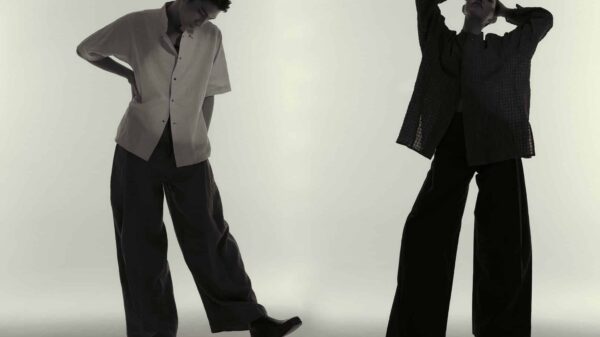
Now entering its tenth year, Pronounce, established by Jun Zhou and Yushan Li, has matured significantly. This season’s standout pieces embraced simple, architectural silhouettes, translating into a more nuanced interpretation of masculinity—playful yet far from costume-like.
On the upcycling frontier, Lessico Familiare, a local phenomenon, drew a crowd eager to experience their show, seemingly caught in a chaotic and decadent aesthetic that may feel somewhat disconnected from current sensibilities.
Conversely, Simon Cracker’s Simone Botte emerged, echoing punk and disorder, while skillfully avoiding the clichés of the past. This collection was less saturated with slogans than before, presenting a more disciplined approach and marking a convincing advancement.
Finally, in an impressive debut, Polimoda alumnus Domenico Orefice expanded his signature black-heavy, industrial aesthetic to include lighter hues and softer textiles. This promising introduction radiated passion, something that modern fashion often lacks.