









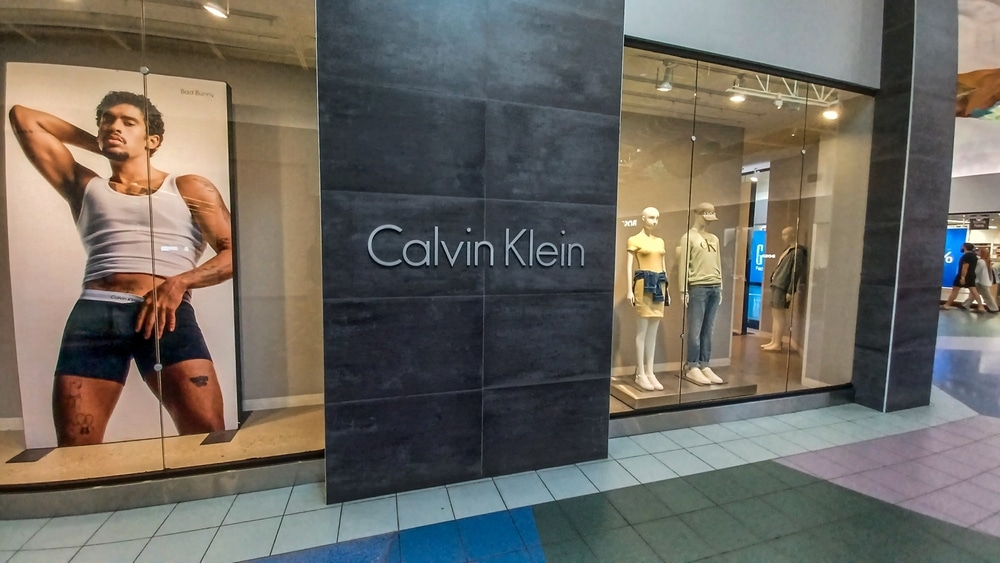
NEW YORK — The contemporary version of Calvin Klein has carved its identity mainly through three primary channels: underwear, denim, and bold marketing strategies.
The revival of the Calvin Klein Collection line, which was put on hold in 2017, is today primarily a showcase of marketing prowess. With the debut of creative director Veronica Leoni’s first collection last year, Calvin Klein successfully reignited interest within the fashion community, emerging as a high-demand name during New York Fashion Week. The brand achieved a staggering 75 percent share of online conversations around the show last season, mainly driven by the allure of its celebrity-laden audience.
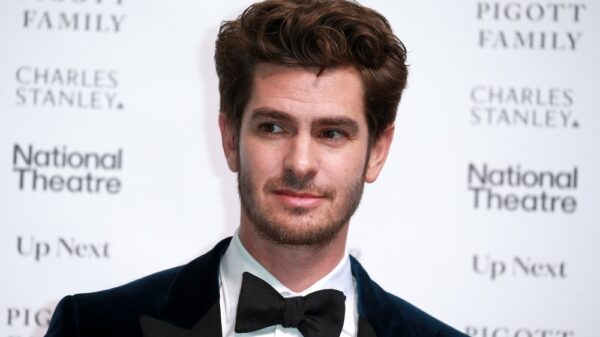
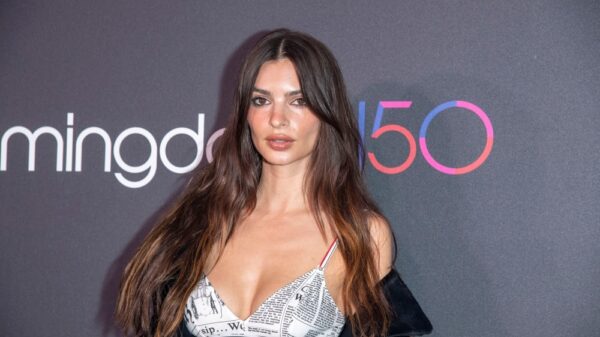
This season, the front row boasted a blend of stars from trending TV series, including Francois Arnaud from “Heated Rivalry,” Britt Lower from “Severance,” Louisa Jacobson from “The Gilded Age,” and Myha’la from “Industry.” Additionally, recent campaign stars Grace Van Patten and Jackson White, who portray troubled lovers on “Tell Me Lies” and are a couple off-screen, added to the buzz. Also making an appearance were prominent names like Dakota Johnson, Lily Collins, and the iconic Brooke Shields, renowned for what is arguably Calvin Klein’s most memorable campaign.
Collaborating with popular TV personalities is a strategic move for brands aiming to secure a position in the cultural conversation. Calvin Klein shows its effectiveness in this area with its 2024 campaign featuring Jeremy Allen White from “The Bear,” which became a significant marketing event. However, transforming this visibility into genuine sales remains a crucial hurdle.
As of now, it’s too soon to determine whether Leoni’s vision translates to sales success. Her first collection, unveiled last February, only recently became available in stores last autumn; PVH is not expected to release fourth-quarter earnings until the following month. In the third quarter of 2025, sales showed a 3 percent increase, surpassing analyst predictions but still indicating a struggle for substantial growth. Critical feedback has leaned towards optimism but remains cautious.
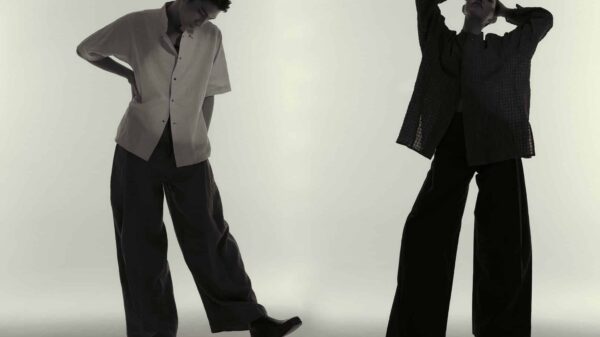
Leoni’s approach in her initial collection centered around Calvin Klein’s foundational minimalism. With each passing season, she introduces innovative interpretations of this classic aesthetic. For Spring 2026, her designs embraced playful elements such as fringed dresses and vibrant shades of pink and green.
In this latest showcase, she drew inspiration from Calvin Klein’s origins in the 1970s and 1980s, an era marked by provocative marketing. One standout piece featured a sweetheart neckline with a side that dropped to reveal a nude patch of fabric—an optical illusion that appears to expose a bare breast. Additionally, there were pieces with underwear layered over leggings, and open backs prominently displaying the brand’s signature underwear band rebranded with the word “Collection.”
“The collection exuded a strong sense of hedonistic elegance and vigor, infused with a sophistication reminiscent of another era,” Leoni remarked following the show. “Our goal was to further explore the cult of the body.”
Besides these statements, subtle reminders of the brand’s lucrative denim focus appeared as well. Among the collection, a Canadian tuxedo-style ensemble showcased jeans that were a reissue of the first Calvin Klein designs presented on the runway in 1976—an archival gem rediscovered by Leoni.
“Underwear and denim are essential to our brand’s identity,” she stated. “We aimed to commemorate the 50th anniversary in a significant way.” The most visually striking denim combinations featured Van Patten and White, both wearing coordinated outfits complete with jean jackets and pants.
It raises questions whether further ties between the Collection and the brand’s bread-and-butter products could enhance commercial viability. Much of the collection leaned towards tailored suits, dresses, and coats in muted tones of gray, white, brown, and black. While some vibrant colors made a cameo—such as a translucent red leather trench and a bright orange finale dress—more could be done to bridge gaps with what consumers readily identify with.
Integrating the Collection into wider consumer access is the next challenge ahead. A new flagship store, spanning 3,000 square feet, recently opened in Manhattan’s Soho, emphasizing the brand’s mass-market range of denim and underwear. Although plans to introduce significant pieces from the Collection this spring were delayed, they will still be available on the brand’s website and through partners like Net-a-Porter and MyTheresa.
Strategic marketing will be pivotal in achieving this goal. The brand has showcased its celebrity affiliations on the red carpet, including a tailored gown created for Lower as she received the best actress award at last fall’s Emmy Awards. Kristen Stewart drew attention wearing Calvin Klein long underwear at the IndieWire Honors Winter Film Awards, while Apple Martin inadvertently turned heads by donning her mother Gwyneth Paltrow’s Calvin Klein halter dress at the premiere of “Marty Supreme” in December, marking another success for the brand.
The marketing strategy remains robust, bringing in recent campaign ambassadors like Super Bowl halftime performer Bad Bunny and acclaimed singer Rosalía, who graced a cover of Vogue.
While the collection has its roots in the vibrant 1970s and 1980s, another classic era is preparing for a revival: Ryan Murphy’s series “Love Story,” which chronicles the romance between John F. Kennedy Jr. and Carolyn Bessette Kennedy, a former Calvin Klein publicist, premiered on Hulu recently. With its initial photos already igniting conversations, the fashion choices in the show are poised to generate buzz on social media.
Against this backdrop, it’s noteworthy that despite the star-studded front row, Calvin Klein missed a pivotal opportunity. Sarah Pidgeon, who portrays Bessette in the series, was conspicuously absent, leaving what could have been a powerful moment unfulfilled.