










Listen to and follow the ‘BoF Podcast’: Apple Podcasts | Spotify | Overcast
The author has shared a YouTube video.You will need to accept and consent to the use of cookies and similar technologies by our third-party partners (including: YouTube, Instagram or Twitter), in order to view embedded content in this article and others you may visit in future.
Background:
On January 26, Jonathan Anderson unveiled his debut couture collection for Christian Dior.
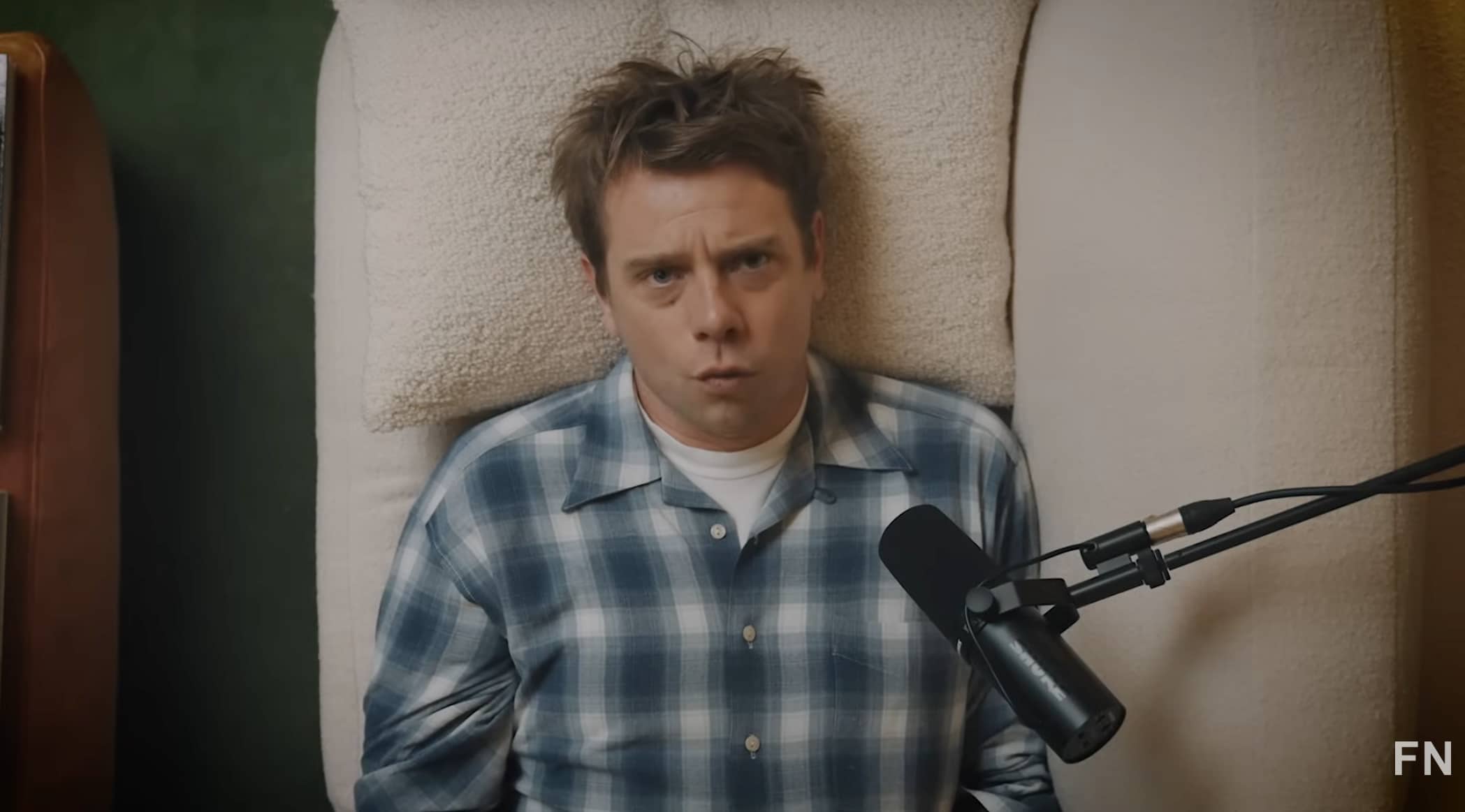
Last December, The Business of Fashion founder Imran Amed traveled to Paris to meet Anderson, getting a firsthand look at his progress as he embarks on a pivotal year. This year marks the launch of his first Dior couture collection alongside a busy schedule encompassing men’s, women’s, and accessories.
Anderson shares how his perception of couture shifted from “irrelevant” to a deeply emotional craft that fuels the house. He elaborates on his vision for redefining how Dior approaches, showcases, and engages clients with couture.
“Couture is a vulnerable craft. Houses like Dior safeguard it as a national treasure,” Anderson asserts.
In this exclusive conversation, Anderson dives into the reasons this couture matters, how endangered craftsmanship can find protection, and the profound reality of steering a major fashion entity.
Key Insights:
- Anderson admits that just a year ago he couldn’t envision himself working in couture. Now, he views fittings as a profound learning experience within a living historic framework. “I often joke that every fitting feels like pursuing a PhD in couture,” he explains. Observing the atelier transformed his perspective entirely. “Couture is akin to an endangered craft. What Dior represents is a preservation of this as a hallmark of artistry,” says Anderson. “Once I embraced this mindset, I could consider what I truly want from it and how to innovate for Dior amid a landscape that features my idols.”
- Anderson promotes the idea of couture as an immersive experience rather than a mere scroll. He extends the traditional 15-minute show into a three-part exploration. Act I: the runway. Act II: intimate presentations at Villa Dior, allowing clients to physically engage with each piece alongside the atelier team, leading into sales events. Act III: a public exhibition that establishes dialogue between the new collection, Christian Dior, and artist Magdalene Ndondue—an opportunity to witness craftsmanship, context, and heritage. As he articulates: “A single photograph cannot convey that a dress took 4,000 hours to create. This aspect is as significant as the fashion show itself, for there is only so much conveyed online. I want to invite people into a tangible experience, altering their perceptions.”
- Prior to presenting his inaugural Dior women’s collection, Anderson consulted with John Galliano for a meticulous review of his work. This encounter marked a significant moment with a figure that helped shape Dior’s public identity. Galliano arrived bearing two bunches of wild cyclamen, bound with black ribbon—a gesture charged with meaning for the Spring/Summer 2026 show’s pink-and-black theme and forest-inspired arrangements. Beyond the symbolism, it was Galliano’s insight that resonated: “The more you cherish Dior, the brand, the more it reciprocates,” reminisces Anderson. “The deeper your love for the individuals involved, the more their insights will guide you.”
- Anderson emphasizes the necessity for transparency regarding those behind the scenes who turn creative visions into tangible products and direct shows into operational success. He acknowledges the work of merchandisers, window display teams, logistics, finance, and operations—each translating a designer’s aspirations into reality. “Even if their roles aren’t creative, they play a pivotal part within a creative environment, striving to manifest a designer’s vision,” he states. “If we’re aiming to reveal the full picture, we must do so across all segments. A fashion show represents more than just me; I’m the conductor,” he asserts. “My duty extends to the hundreds, even thousands, involved, ensuring that everything runs smoothly. It’s a constant balancing act.”
- Anderson aims for each show to convey its own distinct energy while still reflecting a cohesive Dior identity. “I intend to cultivate a unique atmosphere or culture around the brand, but the essence of each show must be distinct,” he remarks. He adds, “They all need to connect. A shared language will emerge.” Collaborating closely with Dior chief executive Delphine Arnault, Anderson is focused on “laying down foundational principles.” Some will evolve, he acknowledges, while others may require reevaluation.