








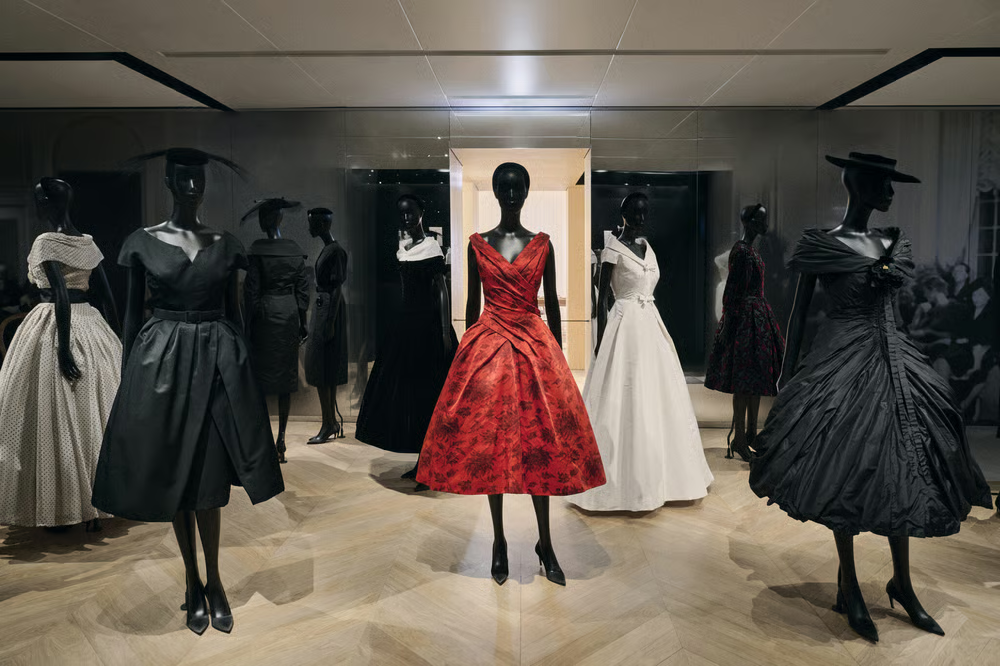
A captivating exhibition in Paris unveils a fascinating connection between two iconic figures in the fashion world: Christian Dior and Azzedine Alaïa. While their styles may seem worlds apart, this showcase reveals a deeper relationship than previously understood.
Both designers made monumental contributions to the fashion industry, albeit through vastly different lenses. Dior is celebrated for the New Look and his romantic, floral-inspired couture, while Alaïa empowered women with his sculpted, body-conscious designs.
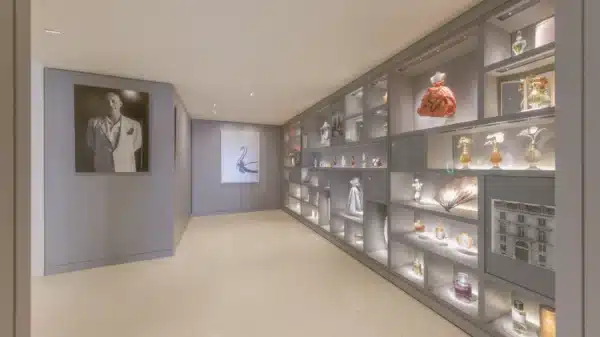
The exhibition, aptly named Azzedine Alaïa’s Dior Collection, debuted at La Galerie Dior, the brand’s elegant museum. This display narrates the illustrious history of the couture house, showcasing 101 pieces from Dior and five of his successors: Yves Saint Laurent, Marc Bohan, Gianfranco Ferré, John Galliano, and Maria Grazia Chiuri. This remarkable assembly, curated by the Fondation Alaïa, represents one of the most significant private collections in fashion history.
In an intriguing parallel, a second exhibition is set to open on December 14 at the Alaïa Foundation in the Marais area. This event will feature 30 Dior garments collected by Alaïa, placed alongside his own creations, fostering a unique dialogue between the two iconic designers.
The professional paths of these fashion legends intertwined briefly, with Azzedine Alaïa completing a five-day internship at the House of Dior in June 1956, as evidenced by an official employment contract on display.The inception of this project traces back two years when Olivier Saillard, director of the Alaïa Foundation, recognized the extensive number of Dior pieces in Alaïa’s collection.
“When we pieced everything together, we discovered an astounding 600 items,” Saillard remarked. Collaboration with Dior Heritage followed, where experts cataloged and verified each piece’s provenance, including details on seasons, collections, fabrics, and even the models who first wore these stunning garments. This meticulous research is showcased through dated sketches and historical photographs of Dior working tirelessly in his studio.
“Dior Heritage asked whether we could create a show highlighting some of these significant creations. After much deliberation, we settled on 101 garments, making it fitting since Alaïa’s collection originated in Paris, precisely where his journey began,” Saillard explained. The exhibition opening coincides with the eighth anniversary of Alaïa’s passing, adding an emotional layer to the event.
Alaïa’s fascination with fashion artifacts began in the late 1960s, a time when Paris’s prestigious houses like Dior were just beginning to recognize the importance of historical preservation.
“Around 1968, Azzedine became increasingly passionate about the conservation of haute couture,” Saillard noted. Alaïa accrued pieces that far exceeded those held by any fashion museum at that time, a testament to his commitment to the art form.
His collection grew aggressively, resulting in over 20,000 pieces, managed by the Foundation in a secure location. Saillard reminisced, “I often witnessed Alaïa at auctions, relentlessly bidding for invaluable items. His zeal often led him to advise me, ‘Olivier! You must acquire this dress!’ And when I hesitated, he’d cheekily suggest contacting the Minister of Culture for funds!”
Alaïa’s voracious appetite for acquiring fashion led him to the works of the great masters, amassing significant pieces that culminated in another exhibition by his Foundation devoted to Madame Grès with 900 pieces on display.
This relentless dedication to fashion economics was evident in Alaïa’s acquisitions, including a famed Schiaparelli gown worn by Marlene Dietrich, which fetched over €200,000. His legacy made collectors wary of market saturation posthumously, but interest in fashion continues to flourish today.
Interestingly, after selling part of his estate to Prada in 2000, Alaïa dove back into purchasing, this time securing rare pieces by Poiret, one of the most coveted designers in history. The designer’s upbringing as a well-to-do farmer in Tunisia led him to discover his passion for fashion through his mother’s French Vogue magazines, thus making the exhibition debut with a dress reflective of the Belle Époque, akin to gowns worn by Dior’s mother, Madelaine.
“This showcases the profound impact mothers have on many fashion designers,” remarked Olivier Flaviano, director of Galerie Dior, who collaborated with Saillard for an exclusive unveiling.
Each of the 14 sections in La Galerie Dior displays looks that have unique titles, set upon elegant stands. The entryway features early creations, including a piece by Dior for Lucien Lelong that illuminated Dior’s apprenticeship before establishing his own fashion house in 1947. The garments on display, like a 1950 printed nylon taffeta and a 1951 pleated wool ensemble, retain an unmistakable contemporary appeal reminiscent of Alaïa’s work.
The exhibit juxtaposes their varying legacies, epitomized by a stunning array of embroidered organza and floral lace dresses by Dior and Chiuri, beautifully arranged in a faux garden setting that captures the essence of Dior’s childhood home in Granville.
“Several dresses on display date back to 1956, coinciding with Alaïa’s brief tenure at Dior. One could argue he may even have had a hand in crafting some,” Flaviano playfully noted.
Each successor of Dior has a dedicated showcase in the exhibit, highlighting their unique contributions. For instance, Ferré and Bohan’s masterpieces alongside Dior’s signature nipped-waist design create a striking visual narrative. Saint Laurent’s innovative design shines with the avant-garde Nacht d’Ispahan gown, while Galliano’s expertly tailored funnel-neck jacket from 2005 is a standout piece.
Despite contrasting styles, Alaïa had immense admiration for Christian Dior, recognizing him as the embodiment of haute couture and French artistry. In his collection, Alaïa owned multiple variants of a magnificent swirling cocktail dress called Venezuela designed in 1957, the last year of Dior’s life, showcasing his deep esteem for the designer’s work. Alongside this, an exquisite photograph by Guy Bourdin captures this iconic dress in a moment of splendor in French Vogue.
“Azzedine’s fascination with fashion began during his adolescence in Tunis, and he was particularly enchanted by Dior’s creations, which seemed to possess a life of their own. This essence is what we aimed to capture throughout the exhibition,” Saillard concluded.
For genuine fashion aficionados, this presentation is indispensable.