









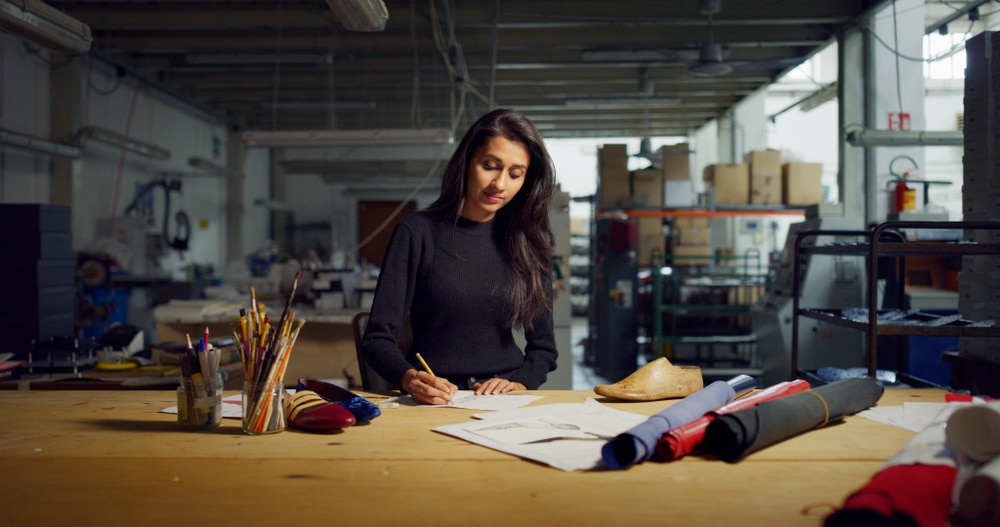
The appointment of Maria Grazia Chiuri as the head of Fendi has once again highlighted the persistent gender imbalance in creative roles within the fashion industry. Despite their significant historical contributions, women continue to face substantial barriers when it comes to leadership positions in leading fashion houses.
The recent Fashion Weeks held in September and October served as a critical platform for newly appointed artistic directors, marking their first major presentations within distinguished brands. Major fashion houses like Chanel, Dior, Balenciaga, Loewe, and Jean Paul Gaultier showcased their inaugural collections under fresh leadership in Paris, while Milan saw similar debuts from Gucci, Versace, and Bottega Veneta.
However, this reshuffle includes only one female figure: British designer Louise Trotter at Bottega Veneta. The other significant artistic appointments saw male successors stepping into roles previously held by women, with Matthieu Blazy replacing Virginie Viard at Chanel, and Jonathan Anderson succeeding Chiuri at Dior.
According to Karen Van Godtsenhoven, a Belgian fashion expert affiliated with Ghent University and curator of the “Women Dressing Women” exhibition at the Metropolitan Museum of Art in New York, there was a glimmer of hope for women in leadership roles just prior to the pandemic. “But Covid shifted societal paradigms, reverting to a more traditional viewpoint that favored the solitary male designer,” she noted.
Dana Thomas, a prominent author and specialist in the luxury sector, links this regression to the tight grip exercised by conservative and largely older executives who helm major groups such as LVMH and Kering. She emphasizes that Chanel, a brand established by the iconic Gabrielle ‘Coco’ Chanel, missed a significant chance by not naming a woman to its creative leadership.
The prevailing notion of the “creative genius”
This sentiment extends beyond Chanel. Brands originally founded by women, such as Lanvin, Nina Ricci, Schiaparelli, and Celine, are currently led by men in creative roles, as pointed out by Dana Thomas. The recent appointments of Sarah Burton at Givenchy and Maria Grazia Chiuri at Fendi are notable exceptions in a generally male-dominated landscape.
Frédéric Godart, a French sociologist and researcher at INSEAD, emphasizes various reasons contributing to this male dominance. He points out that the fashion industry has historically been male-centric, marked by demanding schedules that often conflict with responsibilities commonly shouldered by women, alongside ongoing wage disparities.
The idea of the “creative genius” also plays a significant role in shaping hiring decisions. Karen Van Godtsenhoven remarks that women recently seen in leadership roles at Chanel and Dior are often viewed more as transitional figures rather than innovators. She expresses concern that women are relegated to “artisanal roles” despite their proportional representation in production, while men continue to be heralded as the visionaries of fashion.
Emerging Female Talent
Despite these challenges, the fashion landscape is teeming with female talent. Fashion schools are producing a majority of women designers, and notable brands are seeing an increase in female representation within management. Currently, Chanel, Gucci, and Dior are headed by women: Leena Nair, Francesca Bellettini, and Delphine Arnault, respectively. Within Kering, women occupy 58% of management positions and constitute half of its executive committee. LVMH has not provided a comment regarding its gender dynamics when approached for insight.
In response to difficulties in advancing to high-profile roles, some female designers—like Iris van Herpen, Molly Goddard, and Simone Rocha—are embracing the entrepreneurial spirit by establishing their own fashion houses, inspired by trailblazers like Donna Karan. As Dana Thomas notes, “There exists a whole generation of exceptionally talented women who simply lack the opportunities to shine.”