








The first Monday in May remains the undisputed pinnacle of the sartorial calendar, and as the 2026 Met Gala arrives, the atmosphere is electric with anticipation. Often referred to as “fashion’s biggest night,” this year’s event transcends mere celebrity sightings, evolving into a profound dialogue between historical craftsmanship and contemporary identity. As the global fashion community gathers at The Metropolitan Museum of Art, the evening promises to be a landmark moment for the Costume Institute, redefining how we perceive the intersection of the gallery and the runway.
This year’s curatorial vision, led by the incomparable Andrew Bolton, focuses on the “Costume Art” exhibition. Rather than treating fashion as an isolated medium, the exhibit places the dressed body at the very heart of the museum’s immense 5,000-year history. By juxtaposing contemporary couture with ancient sculptures and classical paintings, the exhibition highlights the eternal human impulse to decorate, define, and transform the physical form. It is a rare opportunity to see a modern Saint Laurent silhouette or a historical bustle in direct conversation with the artifacts that informed their creation.
The scale of this year’s endeavor is unprecedented, as it marks the official opening of the 12,000-square-foot Condé Nast Galleries. Located adjacent to the iconic Great Hall, this expansive new space provides the literal and figurative room required to explore such a massive cross-disciplinary theme. For fashion historians and enthusiasts alike, the exhibit—which is set to run from May 10, 2026, through early January 2027—represents a major institutional shift, cementing the Costume Institute’s role as a vital pillar of the global art world.
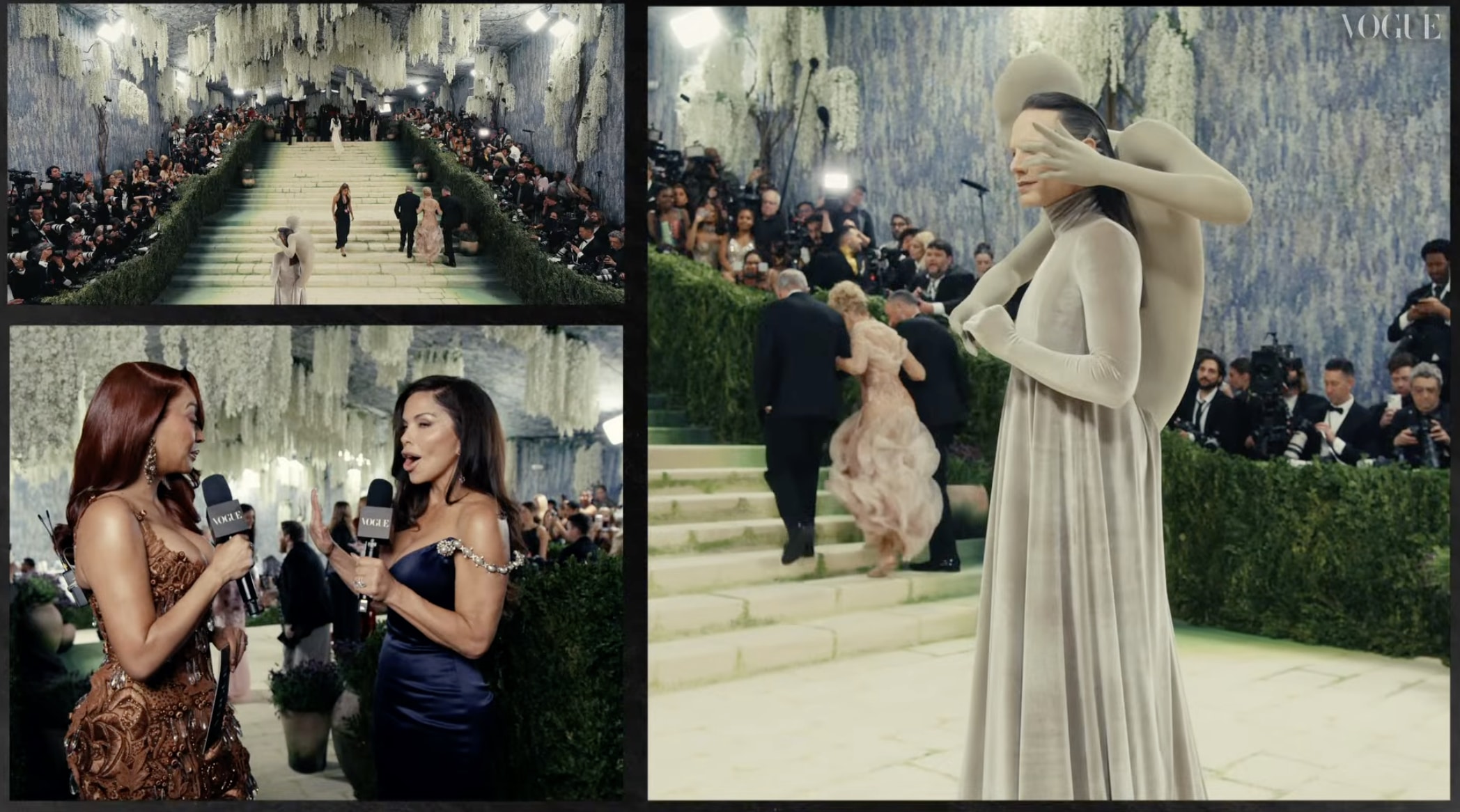
Watch below Vogue’s live red carpet coverage of the 2026 Met Gala:
The directive for this year’s attendees is as evocative as it is open-ended: “Fashion is Art.” This dress code invites a departure from traditional evening wear in favor of conceptual, avant-garde, and sculptural interpretations. The leadership for the 2026 gala is equally formidable, featuring a co-host lineup that includes Nicole Kidman, Venus Williams, and the legendary Anna Wintour. Most notably, the evening marks the highly anticipated return of Beyoncé, who has not graced the Met stairs in a full decade. Her presence alone guarantees a seismic shift in the evening’s cultural gravity.
Adding to the prestige of the event, Saint Laurent’s creative director Anthony Vaccarello and Zoë Kravitz lead a Host Committee that reads like a who’s-who of modern pop culture, including Sabrina Carpenter, Doja Cat, Gwendoline Christie, and Alex Consani. The inclusion of figures like Jeff Bezos and Lauren Sánchez, rumored to have contributed significantly to the evening’s fundraising efforts, underscores the Met Gala’s unique position as the ultimate nexus of technology, wealth, and high fashion. As the red carpet unfolds, we are witnessing more than just a party; we are witnessing the making of fashion history.
Ultimately, the 2026 Met Gala serves as a reminder that the clothes we wear are never just fabrics and seams—they are vessels for culture, politics, and personal expression. By bridging the gap between the artifacts of the past and the icons of the present, “Costume Art” ensures that the legacy of the dressed body remains a central focus of the artistic narrative for years to come.